Address
Sector 14, Road no. 18, Uttara, 1230
Dhaka, Bangladesh

Rx Prescripttion Only-YMYL Medical Content
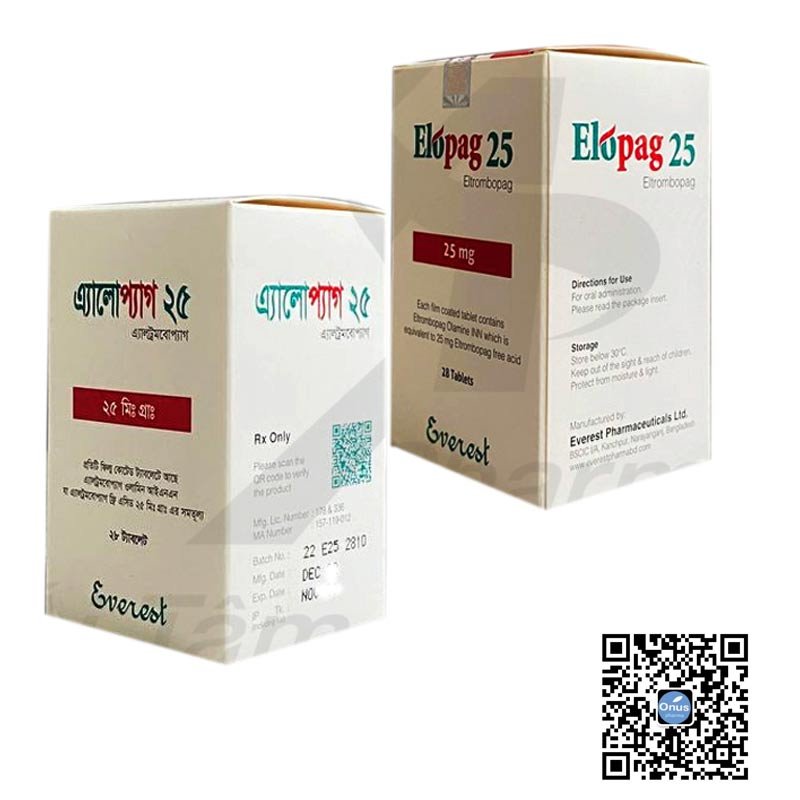
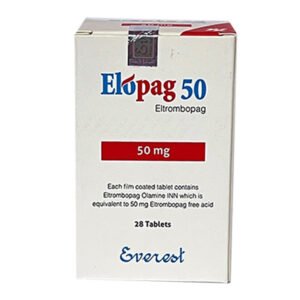
Approved for chronic immune thrombocytopenia (ITP) after insufficient response to other treatments; chronic hepatitis C virus (HCV)-associated thrombocytopenia to enable interferon-based therapy; and severe aplastic anemia (adults and children ≥2 years) with insufficient response to immunosuppressive therapy. Not indicated for myelodysplastic syndromes (MDS).
1
2
3
4
MD
Medical Oncologist Review
Board-certified oncologist · 12+ years in thoracic malignancies
Content reviewed against FDA prescribing information, NCCN Guidelines v2.2024, and published Phase III trial data. Last updated June 2026.
These steps help you have an informed conversation. A confirmed EGFR mutation result is the starting point for any treatment decision.
Medical disclaimer: This page is for informational purposes only and does not constitute medical advice, diagnosis, or treatment. It is a prescription medication that must only be used under the supervision of a qualified oncologist. Clinical outcomes data is drawn from published Phase III trials; individual results vary. Always consult your healthcare provider and refer to the full prescribing information before making any treatment decisions. Emergency: call your local emergency services or poison control immediately if you experience serious adverse effects.
We covered this in full detail earlier in our conversation for the Elbonix 25mg page — here’s the complete set pulled forward rather than repeating the research.
Before starting — confirm which specific 25mg situation applies
About the strict food and supplement timing — the most common adherence failure
About liver monitoring
For HCV indication specifically
About portal vein thrombosis risk — particularly in liver disease
About platelet count monitoring
About bone marrow monitoring with long-term use
About discontinuation — do not stop abruptly
About contraception
About monitoring response and the longer road
A practical tip: The food and supplement timing restriction is the most commonly missed aspect of eltrombopag adherence — not because patients ignore it, but because the 4-hour separation from calcium and minerals applies to foods and supplements that patients don’t always think of as interfering, including calcium-fortified orange juice, multivitamins, antacids for reflux, and fortified breakfast cereals. Before starting, ask your pharmacist to help you map your actual daily eating and supplement schedule against your dosing time — since the restriction is strict enough that a small timing error consistently repeated could meaningfully reduce how much drug is actually absorbed.
We covered this in full detail earlier in our conversation for the Elbonix 25mg page — here are the key points pulled forward concisely rather than repeating the research.
Different therapeutic goals — the most fundamental distinction
In chronic ITP, eltrombopag is typically the primary treatment for chronic thrombocytopenia — the goal is sustained, adequate platelet counts to prevent bleeding over the long term, often indefinitely or until remission. The dose is individualized and titrated gradually based on individual platelet response.
In HCV-associated thrombocytopenia, eltrombopag is not treating the underlying cause of low platelets — it’s being used as a short-term, enabling therapy specifically to allow interferon-based antiviral treatment to proceed or continue at its intended dose. The dose is adjusted every 2 weeks specifically to achieve the platelet target required to avoid reducing the peginterferon dose, not to achieve long-term platelet maintenance.
This difference in purpose — primary long-term treatment versus time-limited procedural support for another therapy — is the conceptual foundation for why the dosing approaches differ.
Why HCV patients universally start at 25mg
In HCV-associated thrombocytopenia, the 25mg starting dose reflects several converging factors:
Liver disease itself changes how eltrombopag is processed and cleared — potentially increasing drug exposure at a given dose compared to a patient with normal liver function. Starting at the lower 25mg dose respects this pharmacokinetic reality and allows more controlled upward titration.
The goal in HCV is more precisely defined and shorter-term — enabling a specific antiviral treatment dose rather than indefinite platelet maintenance — so a standardized, cautious starting point makes clinical sense.
The portal vein thrombosis risk in liver disease also argues for a more conservative starting approach and close monitoring, since the HCV population by definition has some degree of liver involvement that creates the vascular vulnerability we discussed in the portal vein thrombosis mechanism explanation.
Why ITP dosing is more individualized
In chronic ITP, the standard starting dose is 50mg for most adults — except for the three specific populations where 25mg applies: East/Southeast Asian ancestry (pharmacokinetic differences produce higher drug exposure), any degree of hepatic impairment (liver metabolism effects), and the combination of both (where even 12.5mg may be considered as a starting point).
ITP dosing is then titrated over a longer time course — adjusted in 25mg increments based on platelet count response — with a maximum of 75mg daily. The open-ended, individualized nature of ITP dosing reflects its goal of finding the lowest dose that sustains adequate platelet counts over a potentially years-long treatment course.
Why interferon itself is part of the HCV dosing calculation
This is specific to the HCV use case: interferon-based therapy itself suppresses bone marrow function and can lower platelet counts further as a side effect. The eltrombopag dose in HCV must anticipate and offset this anticipated drop — not just treat pre-existing thrombocytopenia, but compensate for the bone marrow suppression the antiviral treatment will actively cause. This is why the HCV maximum dose (100mg daily) is higher than the ITP maximum (75mg daily) — the platelet-lowering challenge in HCV is compounded by the treatment itself.
The bigger picture
The dosing difference between HCV and ITP reflects three things operating simultaneously: different therapeutic goals (enabling a short-term treatment versus providing long-term platelet maintenance), different underlying disease effects on drug pharmacokinetics (liver disease changing drug processing), and the unique challenge of HCV treatment itself causing additional platelet suppression that requires offsetting. These factors combine to produce a standardized, lower, more cautiously escalated HCV approach versus an individualized, more flexibly titrated ITP approach — each designed around the specific clinical problem it needs to solve.
We covered this mechanism in full detail earlier in our conversation for the Elbonix 25mg page — here are the key points pulled forward concisely rather than repeating the research.
Liver disease creates a uniquely vulnerable vascular environment
The portal vein carries blood from the digestive organs to the liver for processing. In chronic liver disease — particularly cirrhosis — blood flow through this vessel becomes increasingly sluggish and turbulent due to scarring and architectural distortion of liver tissue, a condition called portal hypertension. Sluggish, turbulent blood flow is itself a recognized risk factor for clot formation, completely independent of platelet count.
This means the portal vein in a patient with significant liver disease is already primed for clot formation before eltrombopag enters the picture — it’s a vessel under unusual hemodynamic stress.
Liver disease doesn’t simply cause bleeding — it creates a rebalanced, unstable clotting system
This is the key counterintuitive point: liver disease doesn’t simply reduce clotting capacity through low platelet counts. The liver produces both pro-clotting factors and natural anticoagulant proteins, and both decline together in liver disease. Patients with cirrhosis can simultaneously be at risk for excessive bleeding and excessive clotting — the clotting system is rebalanced rather than simply impaired. Low platelet counts in this context reflect multiple mechanisms including reduced TPO production by the damaged liver, splenic sequestration from portal hypertension, and sometimes viral suppression of bone marrow.
How raising platelet counts adds to this existing vulnerability
By driving increased platelet production through TPO receptor activation, eltrombopag raises platelet counts — generally a beneficial effect for reducing bleeding risk. But in a blood vessel already prone to sluggish flow and clot formation due to portal hypertension, adding more platelets into circulation provides more raw material for clot formation at precisely the site where conditions already favor it.
Eltrombopag doesn’t directly cause clots through a separate mechanism — it’s specifically the drug doing its intended job in a vascular environment that liver disease has made unusually susceptible to clot formation when platelet counts increase.
Why the magnitude of platelet rise matters specifically here
This is the mechanistically important link to why the eltrombopag CLD trial was stopped prematurely for portal vein thrombosis while avatrombopag’s ADAPT trials were not. The eltrombopag liver disease trial produced sustained platelet counts exceeding 200×10⁹/L — far above the target range — which amplified the thrombotic risk at the already-vulnerable portal vein beyond what the liver disease vasculature could safely accommodate. Avatrombopag’s more controlled, time-limited platelet rise peaked at more modest levels, producing only one portal vein thrombosis event in 430 patients.
This is mechanistically consistent: the risk isn’t TPO receptor agonism in liver disease per se — it’s excessive platelet elevation in a vascular environment structurally predisposed to portal clot formation. Using the lowest effective dose and monitoring platelet counts closely to avoid overshooting is the operational principle that follows directly from this mechanism.
The bigger picture
Portal vein thrombosis risk with eltrombopag in liver disease emerges directly from the intersection of the drug doing exactly what it’s designed to do — raising platelet counts — within a vascular environment that liver disease has made unusually vulnerable to clot formation through portal hypertension and sluggish blood flow. This is why hepatic impairment specifically calls for extra caution, a lower starting dose, close monitoring, and why avatrombopag’s more controlled platelet rise profile made it the drug that successfully achieved regulatory approval for this specific indication while eltrombopag’s CLD development was halted.


Conatact US