Address
Sector 14, Road no. 18, Uttara, 1230
Dhaka, Bangladesh


Rx Prescripttion Only-YMYL Medical Content
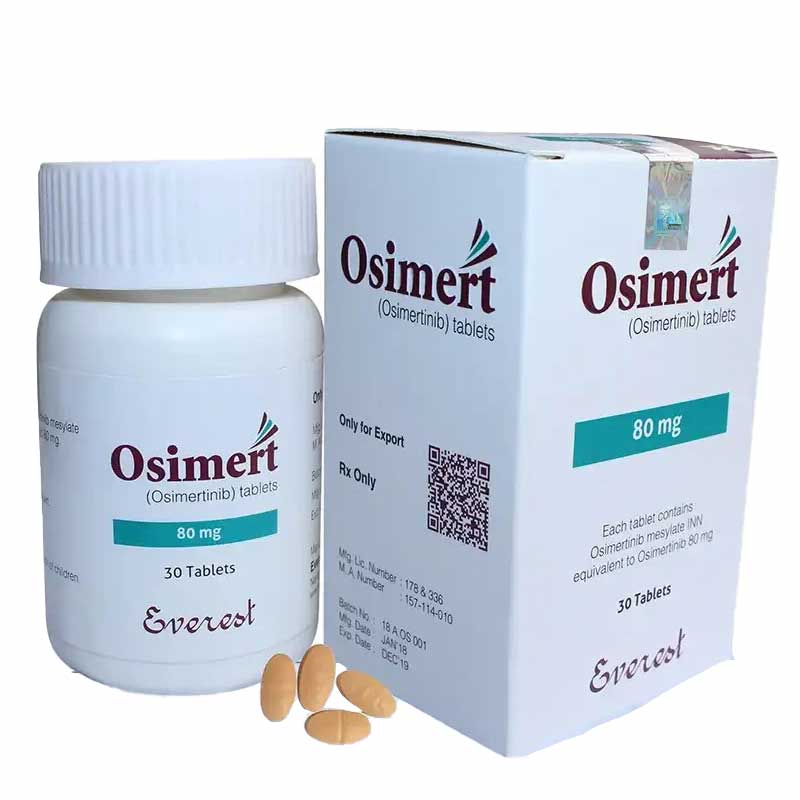
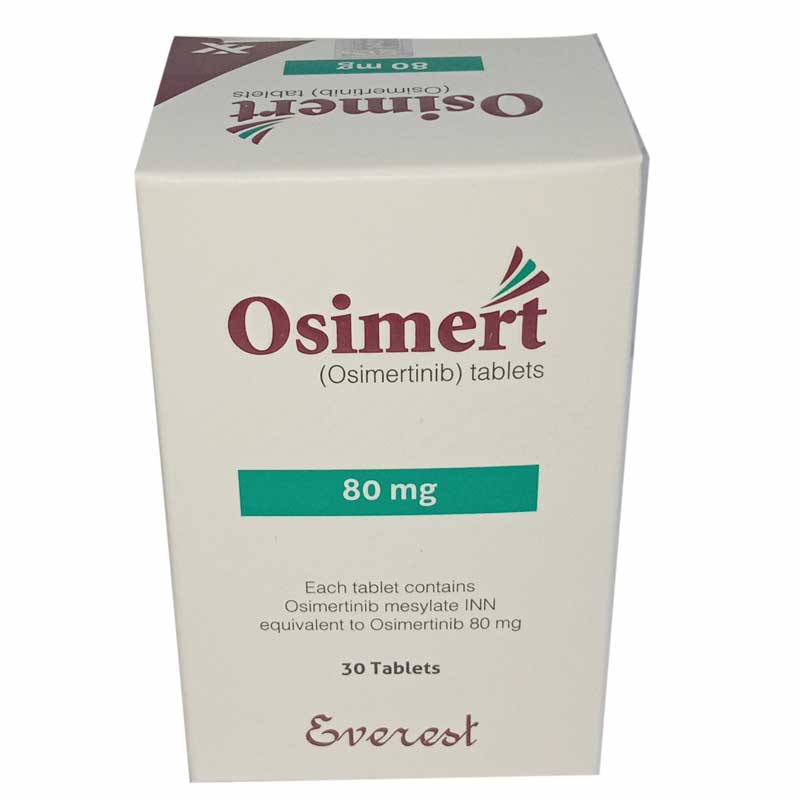
Approved for adults with EGFR-mutated non-small cell lung cancer (NSCLC) — first-line metastatic, adjuvant after resection, or after prior EGFR therapy with T790M mutation.
1
2
3
4
MD
Medical Oncologist Review
Board-certified oncologist · 12+ years in thoracic malignancies
Content reviewed against FDA prescribing information, NCCN Guidelines v2.2024, and published Phase III trial data. Last updated June 2026.
These steps help you have an informed conversation. A confirmed EGFR mutation result is the starting point for any treatment decision.
Medical disclaimer: This page is for informational purposes only and does not constitute medical advice, diagnosis, or treatment. It is a prescription medication that must only be used under the supervision of a qualified oncologist. Clinical outcomes data is drawn from published Phase III trials; individual results vary. Always consult your healthcare provider and refer to the full prescribing information before making any treatment decisions. Emergency: call your local emergency services or poison control immediately if you experience serious adverse effects.
Here are the most important questions to bring to your oncologist, organized by what stage of the conversation you’re in:
Before confirming osimertinib as your treatment
About what to expect on treatment
About your specific situation
About the longer road
A practical tip: bring someone with you to the appointment to take notes, and ask your oncologist if you can record the conversation. These are complex answers and it helps to review them afterward.
Generation classification
Erlotinib and gefitinib are first-generation EGFR TKIs — they reversibly bind the EGFR receptor. Osimertinib is third-generation, designed specifically to target both common activating mutations and the T790M resistance mutation that often develops after first-generation drugs stop working.
Head-to-head: efficacy
| Gefitinib / Erlotinib (1st-gen) | Osimertinib (3rd-gen) | |
|---|---|---|
| Median PFS (first-line) | ~10–11 months | 18.9 months (FLAURA) |
| Median OS (first-line) | ~24–28 months | 38.6 months (FLAURA) |
| CNS (brain) penetration | Limited | Significantly better |
| Resistance mechanism addressed | None for T790M | Effective against T790M |
The FLAURA trial directly compared osimertinib to erlotinib/gefitinib as first-line treatment, and the survival difference (more than 10 months) was a major reason osimertinib became the preferred first-line standard in most guidelines (NCCN, ESMO).
Why osimertinib pulled ahead
About 50–60% of patients on first-generation TKIs eventually develop the T790M resistance mutation, at which point the drug stops working and a new biopsy is needed to confirm T790M before switching to osimertinib. Osimertinib was originally developed for this T790M-resistant population — but FLAURA showed it works even better when used first, partly because it delays or prevents that resistance pathway altogether, and partly because of its superior brain penetration (lung cancer frequently spreads to the brain).
Side effect profile differences
| 1st-gen (Gefitinib/Erlotinib) | Osimertinib | |
|---|---|---|
| Skin rash/acne | More frequent, often more severe | Present but generally milder |
| Diarrhea | Common | Common |
| Liver enzyme elevation | More frequent | Less frequent |
| Cardiac (QTc prolongation) | Rare | More notable — requires monitoring |
| Interstitial lung disease (ILD) | Rare | Slightly higher risk (~3.5%) |
Osimertinib is often described as better tolerated overall, particularly for skin and GI side effects, which matters a great deal for long-term quality of life on a daily medication.
Cost consideration
This is one area where first-generation drugs still have a role: gefitinib and erlotinib have generic versions available in many countries, making them substantially cheaper than osimertinib, which remains under patent in most markets. In some healthcare systems with limited access or cost constraints, a first-generation TKI followed by osimertinib upon T790M-confirmed progression remains a clinically valid sequencing strategy — though it requires an additional biopsy at progression.
Bottom line
For most newly diagnosed EGFR-positive patients with access to osimertinib, current guidelines favor it first-line due to superior survival, brain protection, and tolerability. The first-generation drugs remain relevant primarily where cost or access is a limiting factor, with osimertinib reserved for T790M-positive progression.
This is a meaningful decision that depends on your specific mutation, disease stage, and access situation — definitely one to walk through with your oncologist using your own pathology results.
Bottom line
For most newly diagnosed EGFR-positive patients with access to osimertinib, current guidelines favor it first-line due to superior survival, brain protection, and tolerability. The first-generation drugs remain relevant primarily where cost or access is a limiting factor, with osimertinib reserved for T790M-positive progression.
This is a meaningful decision that depends on your specific mutation, disease stage, and access situation — definitely one to walk through with your oncologist using your own pathology results.
EGFR mutation testing is the essential first step before any targeted therapy decision. Here’s how it works:
What’s being tested
EGFR (Epidermal Growth Factor Receptor) is a protein that, when its gene is mutated, causes cancer cells to grow uncontrollably. Testing identifies which specific mutation you have — because the mutation type determines which drug works best and at what stage.
The most clinically important mutations are exon 19 deletions and the L858R point mutation (both respond well to osimertinib first-line), and the T790M resistance mutation (which develops after earlier EGFR therapy, and is also osimertinib’s target).
The two sample sources
Tissue biopsy is the gold standard. A sample of tumour tissue is taken — either surgically or via bronchoscopy/CT-guided needle — and sent to a pathology lab. It gives the most complete picture but requires an invasive procedure.
Liquid biopsy (blood test) analyzes circulating tumour DNA (ctDNA) shed by cancer cells into the bloodstream. It’s less invasive and faster, and is particularly useful when a tissue sample is difficult to obtain or when monitoring for acquired resistance mutations like T790M after treatment.
How the lab analyzes it
The lab uses one or more of these techniques:
NGS is increasingly the standard because it detects EGFR mutations and co-mutations (like TP53, MET amplification) that may affect prognosis or treatment sequencing.
Timeline
Tissue biopsy results typically take 1–2 weeks. Liquid biopsy can return results in 3–5 business days. In urgent situations, liquid biopsy may be used first while awaiting tissue confirmation.
What the result means for treatment
| Result | What it means |
|---|---|
| Exon 19 del or L858R | Osimertinib first-line is strongly indicated |
| T790M positive (after prior TKI) | Osimertinib second-line is indicated |
| EGFR negative | Other pathways tested (ALK, ROS1, PD-L1, etc.) |
| Uncommon EGFR mutations (exon 20 ins, etc.) | Different drugs may apply; discuss with oncologist |
One important nuance
EGFR testing isn’t done once and forgotten. If your cancer progresses on osimertinib, re-biopsy and re-testing is standard — resistance mechanisms evolve, and new mutations guide what comes next (MET amplification, C797S, HER2, small-cell transformation are all possibilities).
Would you like to understand any specific part of this more deeply — such as what to expect during a biopsy, or how to read your pathology report?
Conatact US