Address
Sector 14, Road no. 18, Uttara, 1230
Dhaka, Bangladesh
Address
Sector 14, Road no. 18, Uttara, 1230
Dhaka, Bangladesh

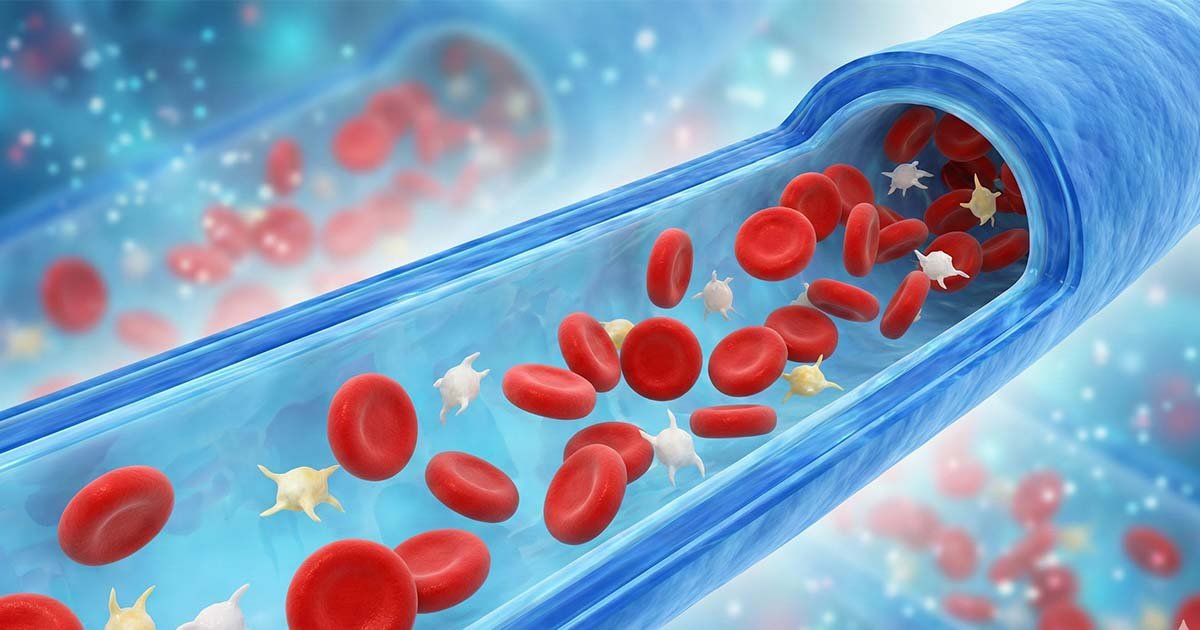
When we think of cancer treatment, we often focus on the drugs that kill the tumor. But for many patients, the battle is fought on a second front: maintaining healthy blood counts.
One of the most common and dangerous side effects of blood cancer—and the chemotherapy used to treat it—is a condition called Thrombocytopenia. This is the medical term for a low platelet count.
Platelets are the tiny cells in your blood responsible for clotting. When you get a cut, they rush to the scene to seal the wound. When your platelet count drops too low (often below 50,000 per microliter), you lose this protection. This can lead to:
For years, the only solution was a platelet transfusion—a temporary fix requiring a hospital visit. Today, however, we have oral medications that can force your body to produce its own platelets. These are called TPO Receptor Agonists.
To understand how these drugs work, you have to look at the bone marrow. Inside your marrow, there are giant cells called Megakaryocytes. Their job is to break apart into thousands of tiny pieces; those pieces become your platelets.
Usually, a hormone in your liver called Thrombopoietin (TPO) tells these cells to get to work. But in patients with leukemia or those undergoing heavy chemotherapy, this signal is too weak, or the cells are being destroyed too fast.
TPO Receptor Agonists (TPO-RAs) are drugs designed to mimic that hormone. They travel to the bone marrow, bind to the megakaryocytes, and essentially scream, “Wake up and make more platelets!”
The result? Your body naturally boosts its own platelet production, often eliminating the need for transfusions.
Eltrombopag was one of the first oral treatments approved for this condition. It is highly effective for patients with Chronic Immune Thrombocytopenia (ITP) and those with severe Aplastic Anemia. It is also used to boost platelets in patients with Hepatitis C so they can undergo antiviral treatment.
However, Eltrombopag comes with specific rules for success.

Eltrombopag is sensitive to minerals. If you take it with calcium (dairy), iron, or magnesium, the drug binds to the minerals and passes through your body without working.
Despite these restrictions, it remains a go-to therapy because of its proven track record.
Available Generic Options:
For patients looking for cost-effective access to this therapy, we stock high-quality generic versions.
Medical science is always evolving. Avatrombopag is a newer-generation TPO agonist that was designed to solve the “dietary restriction” problem of Eltrombopag.
The primary advantage of Avatrombopag is convenience. It does not interact with calcium or food in the same way.
It is currently approved for chronic ITP and for patients with chronic liver disease who need to raise their platelets quickly before a surgery. Because it acts fast and requires less lifestyle planning, many patients find it easier to stick to this treatment.
Available Generic Option:
To help you decide which option might be right for your lifestyle (in consultation with your doctor), here is a quick comparison:
| Feature | Eltrombopag ([Elbonix] / [Elopag]) | Avatrombopag ([Avalet]) |
| Dietary Rules | Strict: No dairy/calcium 4 hours before/after. | None: Taken with food. |
| When to Take | Empty stomach. | With a meal. |
| Primary Uses | ITP, Aplastic Anemia, Hep-C Support. | ITP, Pre-surgery for Liver Disease. |
| Liver Monitoring | Regular liver function tests required. | Less liver toxicity risk reported. |
| Cost | Regular liver function tests are required. | Newer drug, generic offers high value. |
Thrombocytopenia can feel like a constant leash, keeping you close to the hospital and worried about every bump or bruise. But with modern TPO Receptor Agonists, you can cut that leash.
Whether you choose the established efficacy of [Elbonix] or the modern convenience of [Avalet], the goal is the same: to keep your platelets up so you can focus on living your life, not managing your blood counts.
Disclaimer: Always consult your hematologist before switching medications. While generics are bioequivalent, your doctor will determine which active ingredient is best for your specific medical history.
